Matte, Glossy, or Canvas: Picking the Right Finish
August 22, 2026
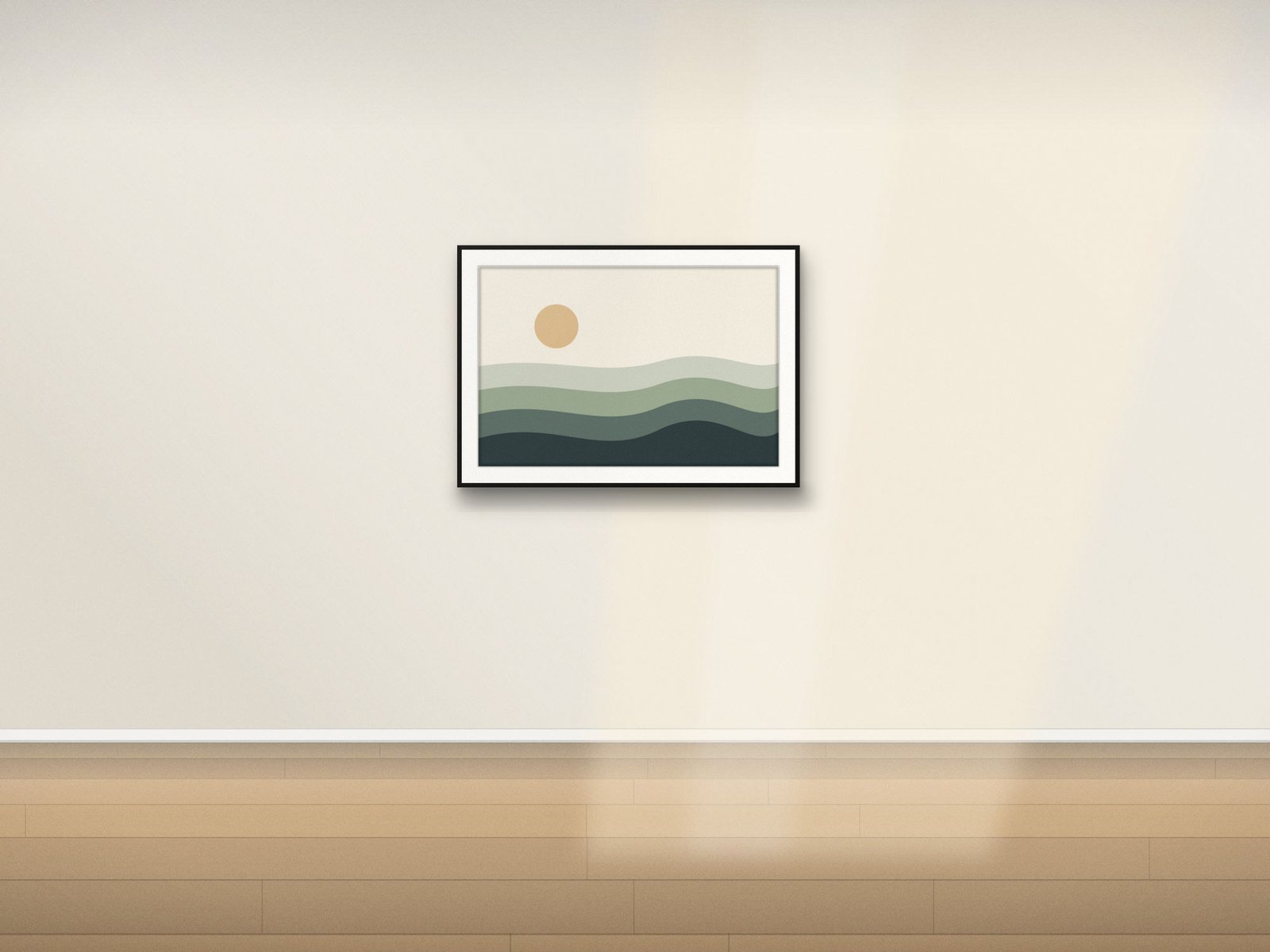
Finish is the quiet decision that changes how a print feels on the wall. The same file can look like a museum page, a photograph, or a painting depending on the surface it is printed on.
Matte: the safe, beautiful default
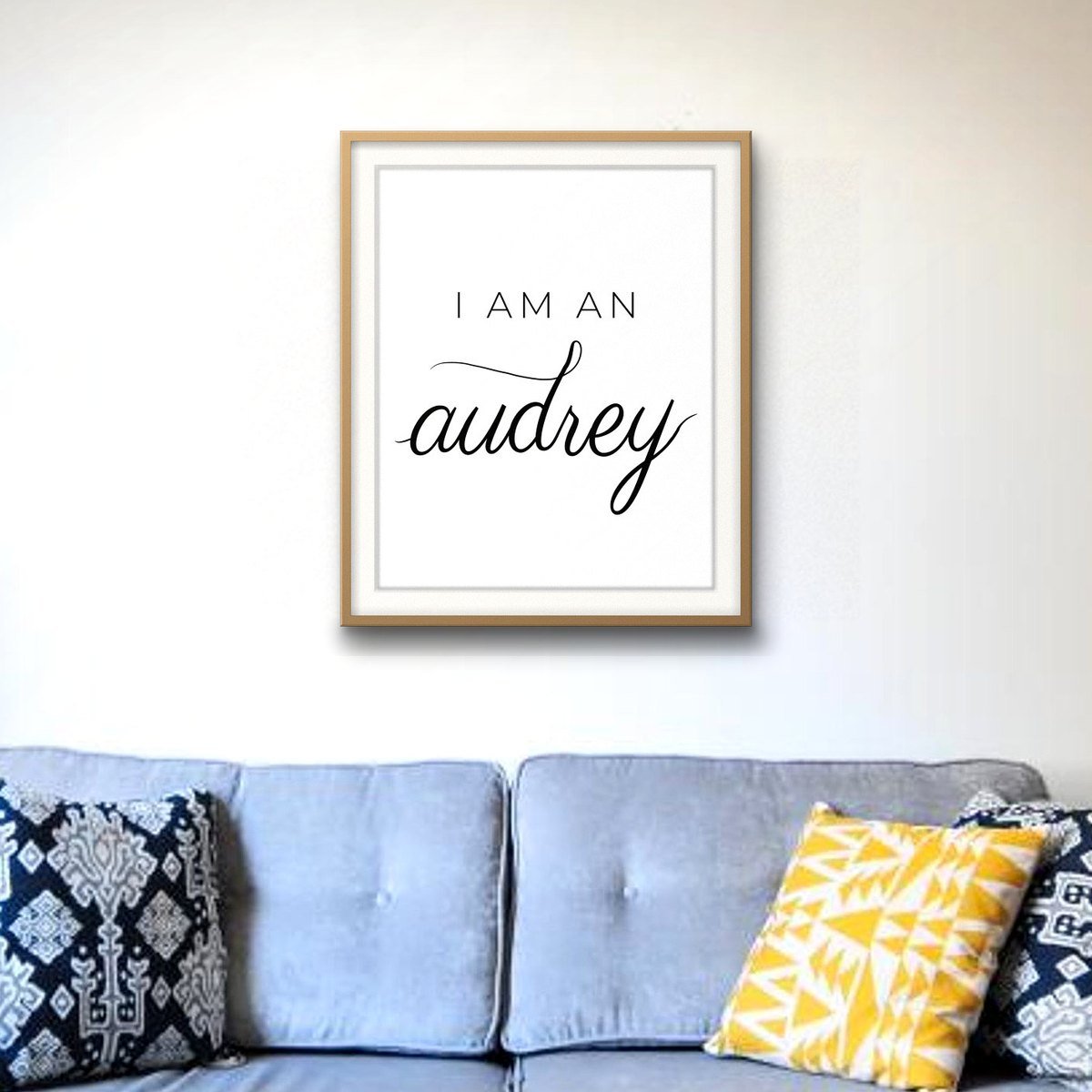
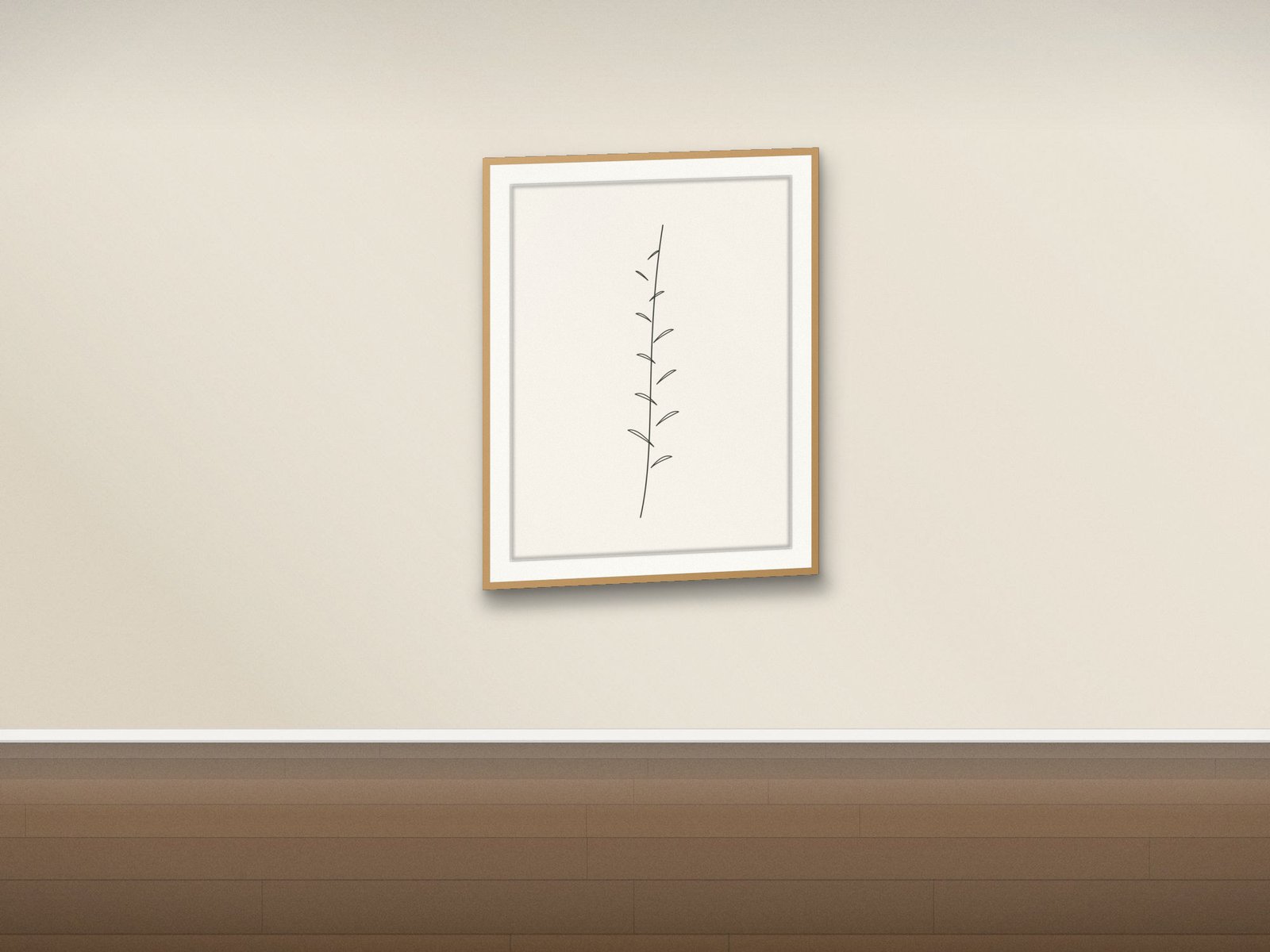
Matte paper has no glare, which means the art reads clearly from every angle and under every light. Flat illustration, line art, and typography, most of what we sell, were designed for this finish: the typography & quotes prints and the minimalist prints both look their best on it. If you are unsure, choose matte.
Glossy and lustre: for depth and photographs
Gloss deepens blacks and saturates color, which flatters photography and high-contrast art. The cost is reflection: opposite a window, a glossy print becomes a mirror at certain hours. Lustre, the finish photo labs default to, splits the difference with a gentle sheen.
Canvas: soft, warm, frameless
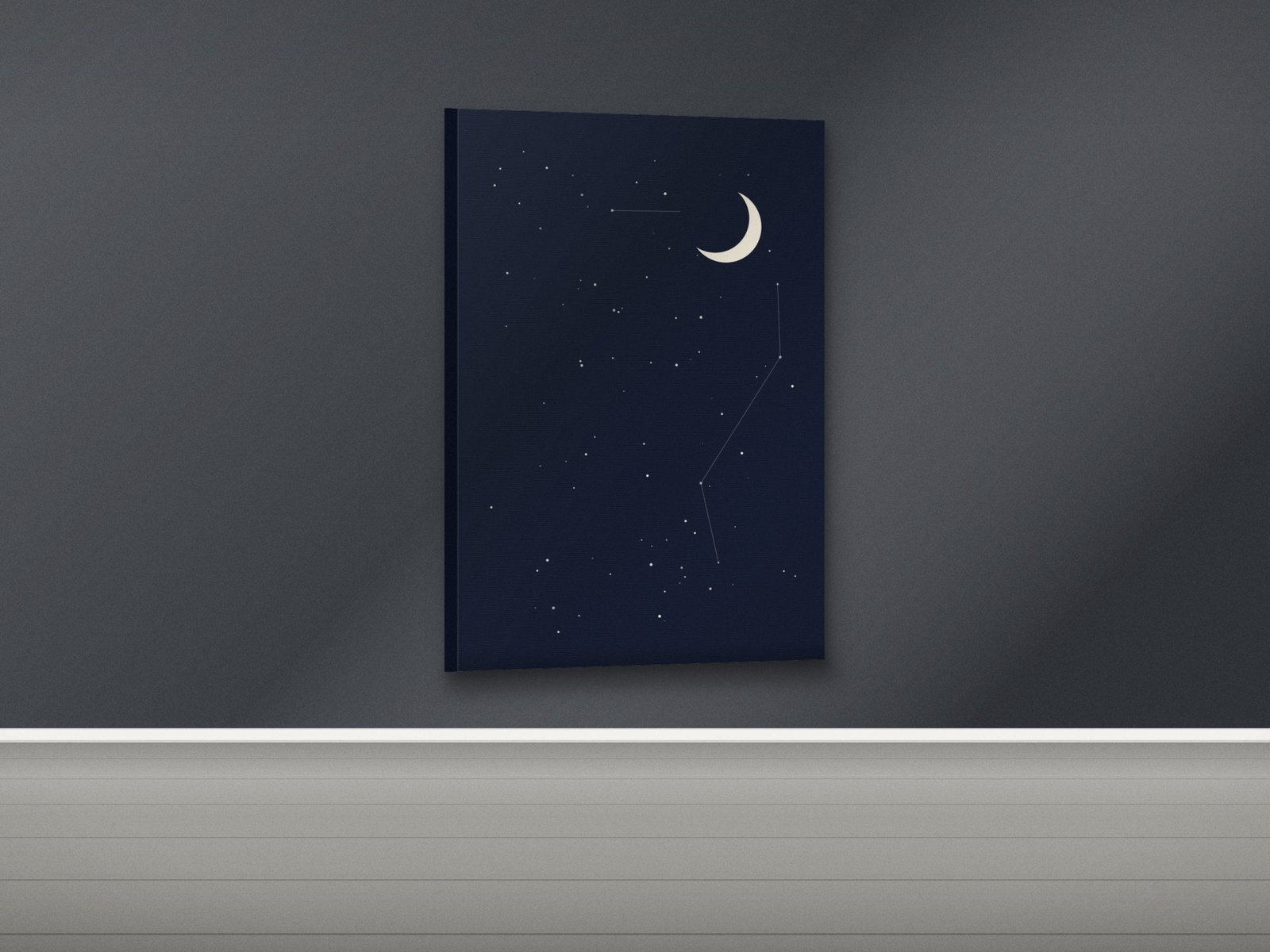
Printed on woven fabric and wrapped around a wooden stretcher, canvas softens detail slightly and adds texture you can see. It hangs without a frame or glass, which makes it forgiving in kids rooms and hallways. Our product pages show a gallery canvas view of every print, including I Just Need Some Space, so you can judge the effect before ordering one from your local print shop.
Match the finish to the room
- Bright rooms with big windows: matte, always
- Hallways and low light: lustre lifts the color
- Kids rooms and high-traffic spots: canvas, no glass to break
- Grouped gallery walls: keep one finish across the set
Whichever you choose, the download is the same: five print-ready files that work at any lab, in any finish, as many times as you like for your own home.
Prints from this article
All prints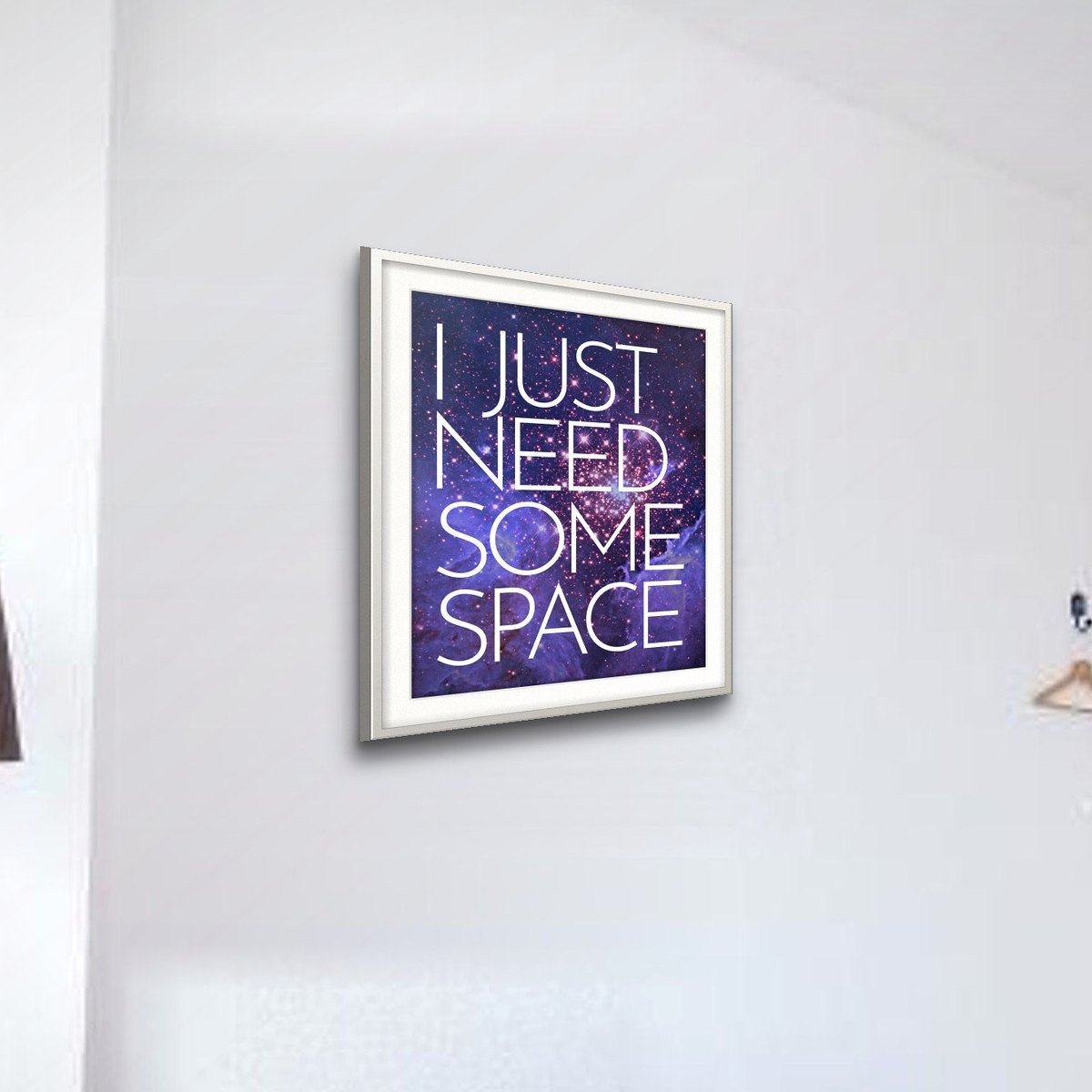 New
New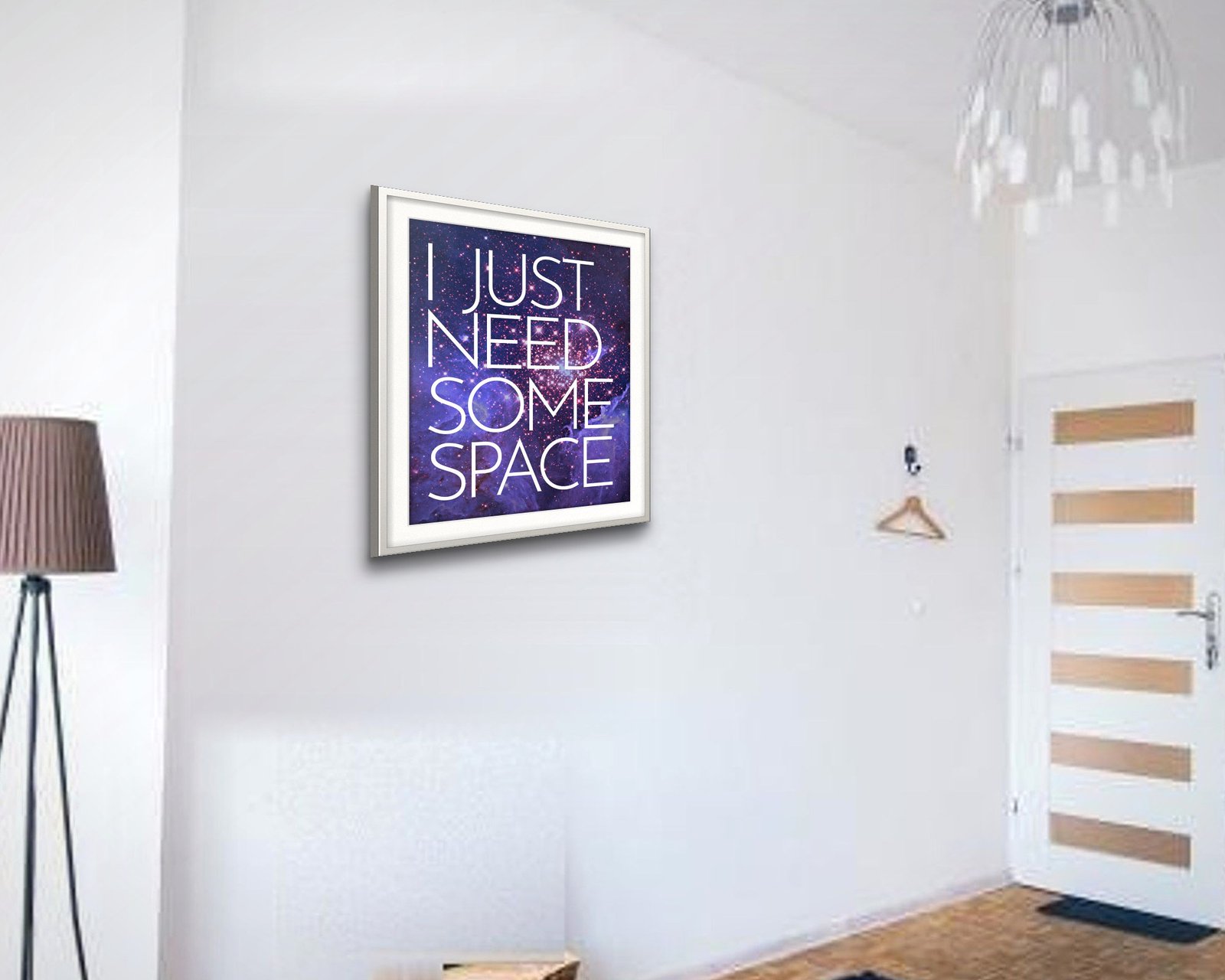
 New
New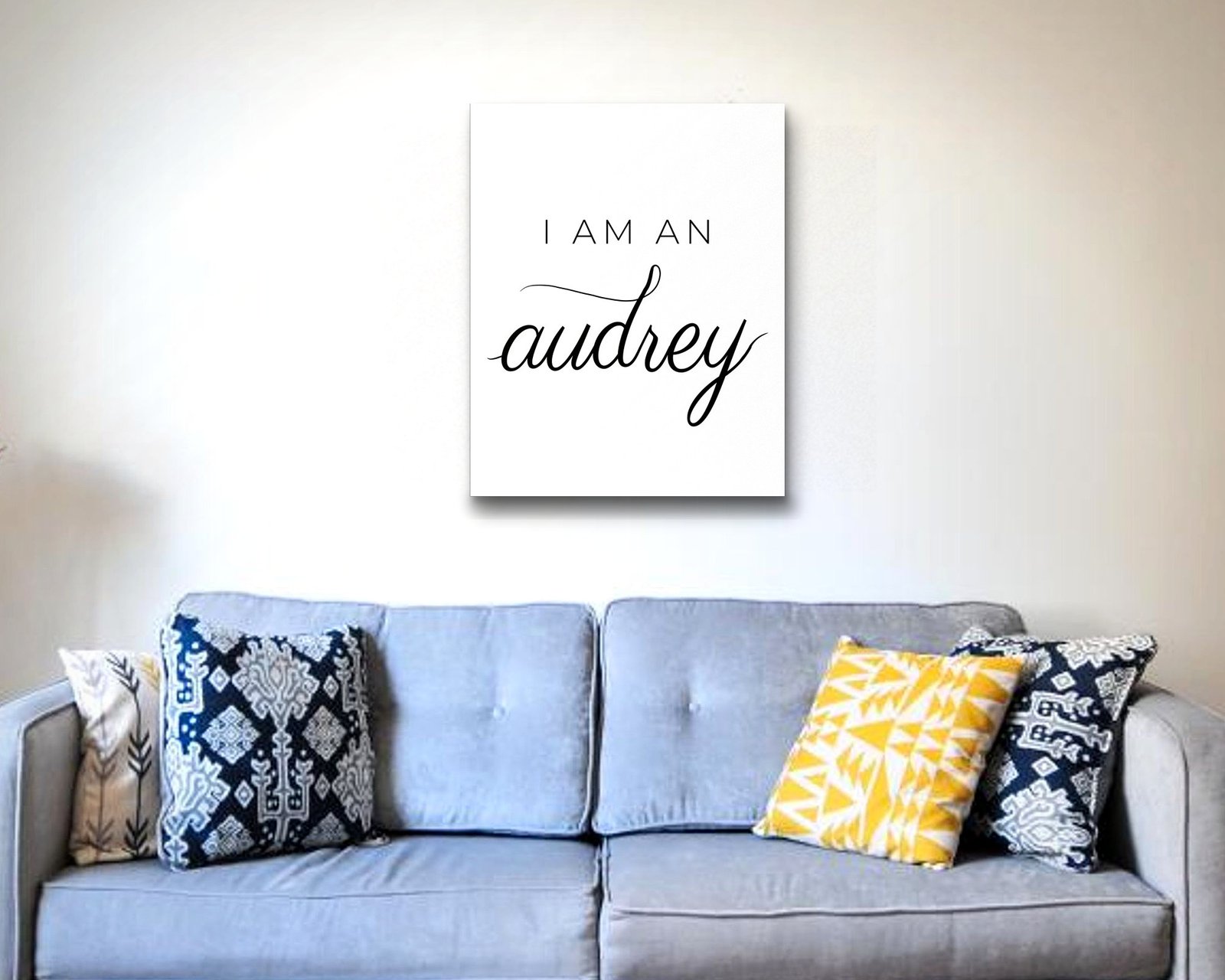
 New
New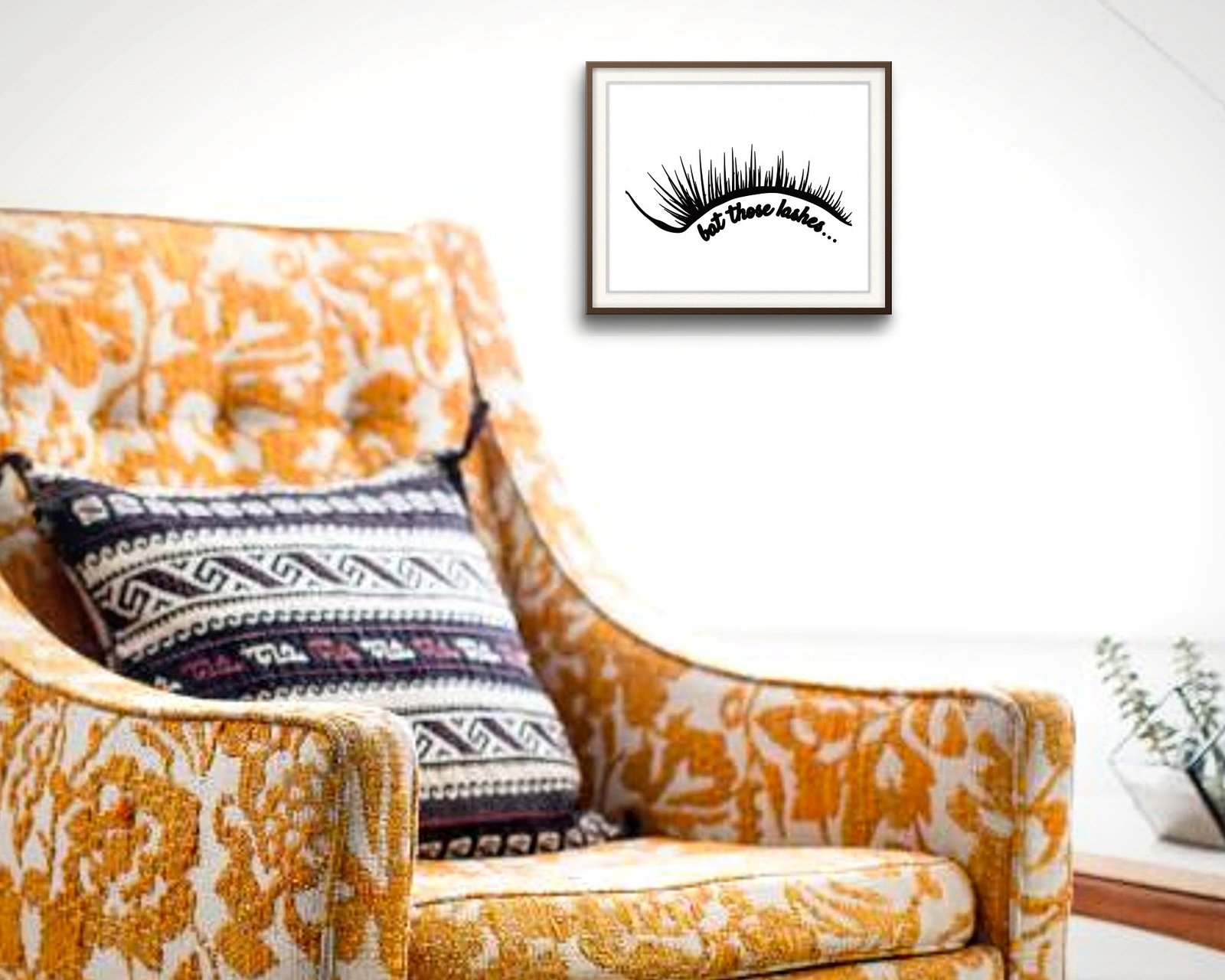
 New
New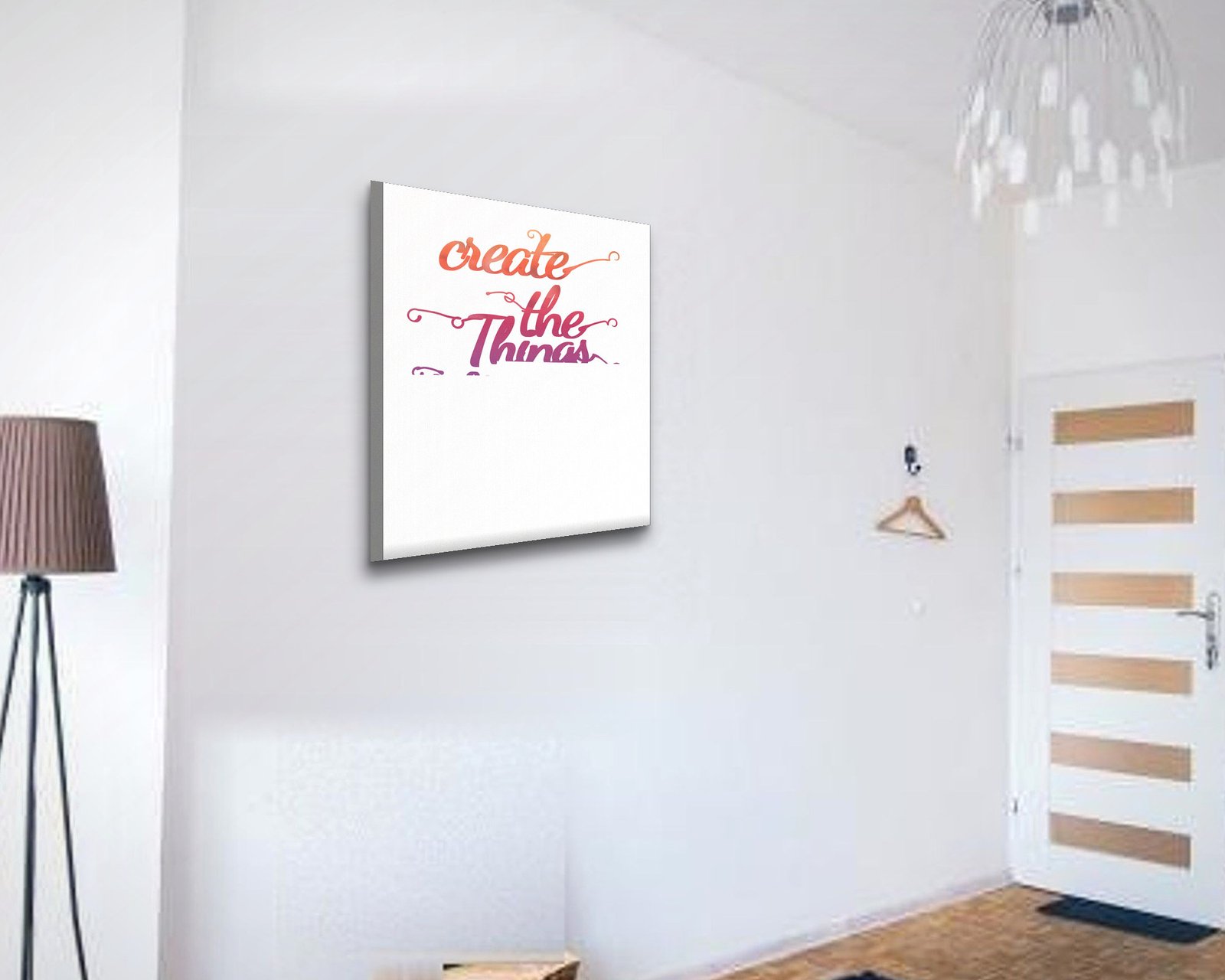
Every print downloads instantly with five files sized for every standard frame.
Keep reading
 Five Gallery Wall Layouts That Always WorkSkip the guesswork. These five arrangements flatter almost any set of prints, plus the spacing rule professionals use.
 Frame Sizes Made Simple: What 2:3, 3:4, and 4:5 Actually MeanAspect ratios sound technical but they are just frame families. Learn the three that cover almost every frame you can buy.